Forecasts Need Stress Testing
Sales forecasts and pipelines are notoriously optimistic. They Sales people tend to mistake activity for progress and customer politeness for intent to buy and would prefer to postpone any negative conversation with their boss.
Stress-testing forecasts and pipelines means testing every opportunity against reality to uncover hidden risks, test the durability of the deal structure, and strip out fluff before it turns into a revenue miss.
Most forecasts failures aren’t caused by deals being lost to competitors—they are caused by slippage and “No Decision. “Stress-testing fixes three systemic forecasting blind spots:
- Combating “Happy Ears” & Confirmation Bias: Account Executives naturally focus on positive signals (e.g., “The demo went great!”) while unconsciously ignoring showstoppers (e.g., procurement hasn’t approved the budget line item).
- Exposing Single Points of Failure: A forecast built on a single champion or a non-binding verbal agreement is fragile. Stress-testing reveals what happens if that single contact leaves or loses internal influence.
- Separating Forecast Category from True Qualification: Moving a deal from Stage 3 to Stage 4 based on an arbitrary milestone (like sending a proposal) does not mean the buyer has committed. Stress-testing evaluates buyer behaviour rather than seller activity.
How to Stress-Test Forecasts Using your Sales Methodology such as MEDDPICC
MEDDPICC (Metrics, Economic Buyer, Decision Criteria, Decision Process, Paper Process, Identify Pain, Champion, Competition) is inherently an objective qualification framework. It is a logical tool as a stress-testing tool requires shifting from a “checklist” mindset to an evidence-based interrogation.
To stress-test a deal, ask for verifiable buyer evidence for each component for example:
1. Metrics (Quantified Impact)
- The Stress Test: Has the customer explicitly verified the ROI calculation, or is it just the seller’s math?
- Red Flag: The value proposition is described in vague terms (“save time”, “improve efficiency”) rather than hard operational metrics signed off by the customer’s finance team.
- Evidence Required: A customer-validated business case showing financial impact (e.g., “Reduces customer onboarding time from 14 days to 3 days, saving £250k/year”).
2. Economic Buyer (The Ultimate Authority)
- The Stress Test: Has the team met directly with the person who holds discretionary budget authority and can say “yes” when everyone else says “no”?
- Red Flag: The Economic Buyer (EB) has only been briefed by your Champion, or you are relying on executive sponsorship that hasn’t actually committed funds.
- Evidence Required: Direct communication (email, meeting, or sign-off) where the EB confirms the budget is allocated and this project is a strategic priority for this fiscal period.
and the same with all other relevant components of the your Sales Methodology or Pipeline KPI
Institutionalising the Stress Testing Forecasts
- Institute “Deal Reviews” over “Pipeline Updates”: Replace status updates with more challenging deal reviews. Have leadership or peers play “Red Team” to challenge the evidence for every letter of MEDDPICC. This then becomes a great coaching exercise
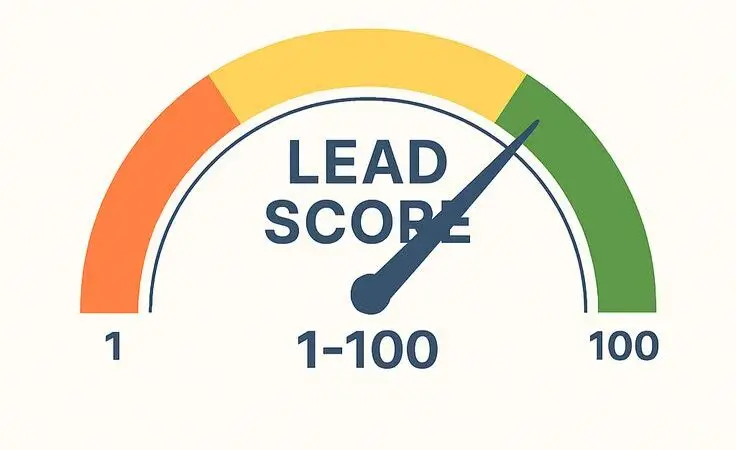
- Assign a MEDDPICC Health Score: Rate each letter (e.g., Green = Verified Evidence, Yellow = Unverified Assumption, Red = Missing/Unknown). Any deal in the Committed forecast with a Red in Economic Buyer, Paper Process, or Champion should be immediately downgraded.
- Track Evidence, Not Sentiment: Shift forecast conversations from “How do you feel about this deal?” to “What tangible proof do we have that the Paper Process will complete by day X?”